Jebel Siroua Trek in Morocco: Saffron Villages and Volcanic Peaks
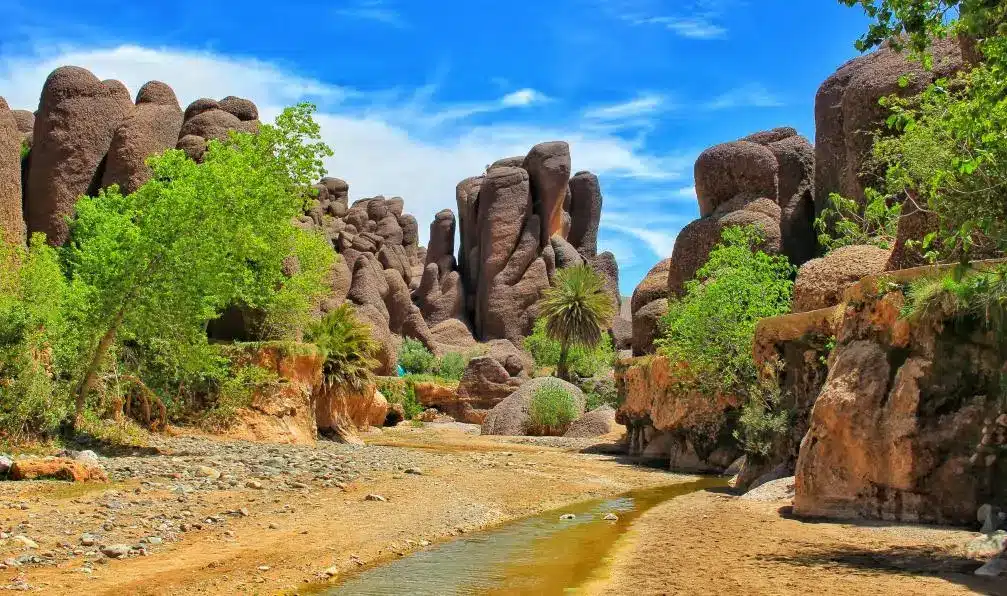
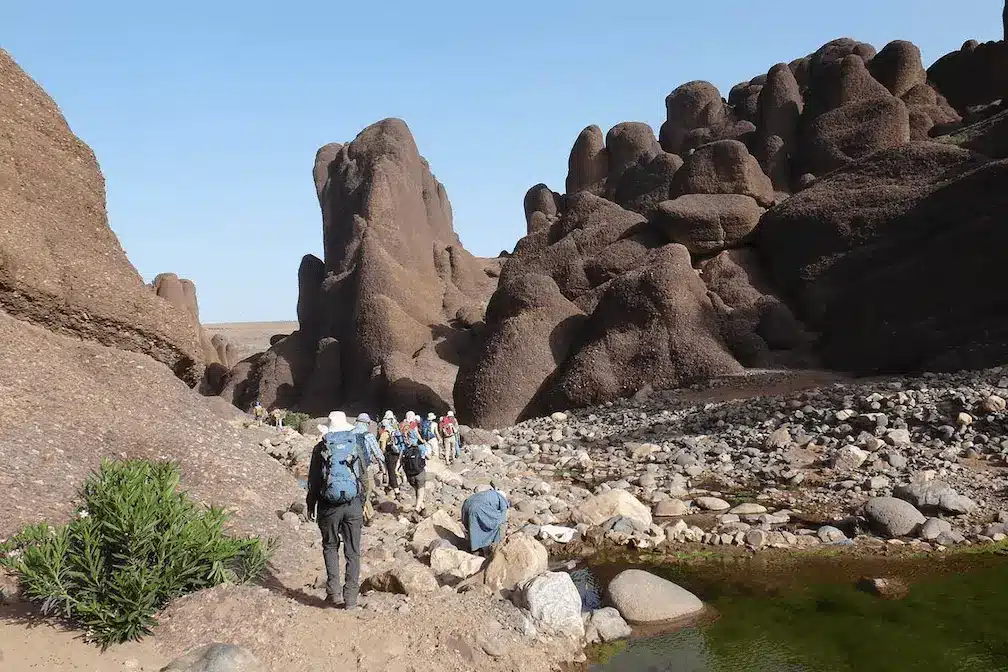
The Jebel Siroua Trek explores an ancient volcanic massif rising to 3,305 metres in southern Morocco. Between the High Atlas and the Anti-Atlas, the route crosses green valleys, clear mountain streams, ochre gorges, high-altitude pastures and remote Berber villages surrounded by terraced fields. This wild and unspoilt region offers an ideal setting for hiking in Jebel Siroua, with varied landscapes and wide views across the Moroccan mountains.
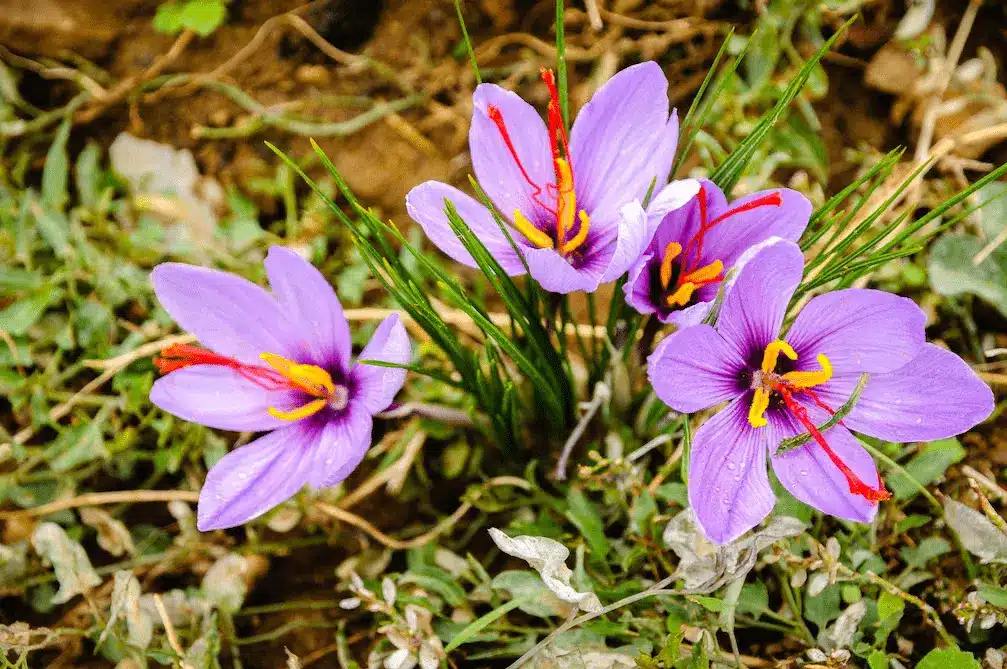
A journey through Jebel Siroua, Morocco, is also an immersion in a land of living traditions. The region is renowned for saffron, known locally as red gold, as well as for its handwoven Berber carpets and ancestral craftsmanship. Combining volcanic scenery, village encounters and local culture, this Anti-Atlas trek in Morocco offers an authentic mountain experience far from the busiest routes.
⭐⭐⭐⭐⭐ 5.0/5 — 30 customer reviews – read the testimonials
Comfort :
Duration : 08 Days
Price from : $580 per person





Detailed Itinerary of the Jebel Siroua Trek
This eight-day Jebel Siroua trek combines volcanic mountain landscapes, remote Berber villages, saffron-growing valleys and the ascent of the highest summit in the Anti-Atlas.
Day 1: Arrival in Marrakech
Upon arrival at Marrakech airport, you will be welcomed and transferred to your hotel. Depending on your flight schedule, enjoy some free time to explore the lively streets, souks and squares of the Marrakech medina, also known as the Red City.
Accommodation: Hotel in Marrakech.
Day 2: Marrakech – Tizi n’Tichka Pass – Tamlakout – Tamazirt
Departure from Marrakech at around 8 a.m. towards the Tizi n’Tichka Pass, a spectacular mountain road crossing the High Atlas. Continue to Tamlakout, a small oasis village nestled in the heart of the valley, where lunch is served.
After meeting the muleteer team, begin the first walk along a dry riverbed towards the Berber village of Tamazirt. The camp is set up nearby for your first night in the mountains.
Driving time: approximately 5 hours.
Walking time: approximately 2 hours.
Accommodation: Mountain camp.
Day 3: Tamazirt – Aït Tizouad – Aït Tigga – Aït Ighmour Valley – Maous Plateau
The trek continues across gently rolling plateaus cultivated with barley and wheat towards the village of Aït Tizouad. After lunch, walk to Aït Tigga, a beautiful stone village built into the hillside.
The route then climbs through the Aït Ighmour Valley before reaching the remote Maous Plateau, where the evening camp is established among open mountain landscapes.
Walking time: approximately 5 hours 30 minutes.
Accommodation: Mountain camp.
Day 4: Maous Plateau – Siroua Summit (3,305 m) – Azib N’Tizgui
Today is the main mountain stage, with the ascent of Mount Siroua, the highest summit of the Anti-Atlas at 3,305 metres. The climb follows wild volcanic terrain before reaching a panoramic viewpoint over the Toubkal Massif, Jebel Saghro and Jebel Bani.
After a picnic near the summit, descend towards Azib N’Tizgui, a traditional high-altitude shepherd settlement beside the riverbed. This memorable stage is the highlight of the Siroua summit trek.
Walking time: approximately 6 hours.
Accommodation: Mountain camp.
Day 5: Azib N’Tizgui – Tizgui – Tagouyamt Valley
Descend towards the Berber village of Tizgui, where you may visit an impressive collective granary built into the cliffs. Continue along the river through cultivated landscapes towards Tagouyamt.
This farming village is known for its terraced gardens and saffron fields. The stage offers an authentic glimpse of village life around Jebel Siroua, Morocco, where agriculture and mountain traditions remain closely connected.
Walking time: approximately 5 hours.
Accommodation: Mountain camp.
Day 6: Tagouyamt – Tislit Valley – Ihoukarn – Ifran
Cross a long mountain plateau leading towards the Berber villages of the Tislit Valley. Lunch is enjoyed near Ihoukarn, with opportunities to meet local inhabitants and learn about their traditional agricultural and pastoral way of life.
The final section of hiking in Jebel Siroua leads to the village of Ifran, where you will spend the night in a local guesthouse.
Walking time: approximately 5 hours 30 minutes.
Accommodation: Local guesthouse.
Day 7: Ifran – Tizi n’Test Pass – Asni – Marrakech
After breakfast, say farewell to the muleteer team and begin the return journey by minibus. Cross the Tizi n’Test Pass at approximately 2,100 metres before descending towards Asni for lunch.
Continue to Marrakech, where you will check into your hotel and enjoy the rest of the day at leisure.
Accommodation: Hotel in Marrakech.
Day 8: Marrakech – Departure
Transfer to Marrakech airport according to your flight schedule. Your journey ends with lasting memories of volcanic peaks, saffron valleys, Berber hospitality and an authentic Anti-Atlas trek in Morocco.
Highlights of the Jebel Siroua Trek in Morocco
Ascent of the Highest Summit in the Anti-Atlas
The main highlight of this journey is the ascent of Mount Siroua, rising to 3,305 metres above sea level. This rewarding Siroua summit trek offers panoramic views across the High Atlas, the Toubkal Massif, Jebel Saghro and Jebel Bani.
Volcanic Landscapes and Wild Mountain Trails
The route crosses an ancient volcanic massif shaped by rugged ridges, ochre gorges, high plateaus and green valleys fed by seasonal mountain streams. These contrasting landscapes make hiking in Jebel Siroua a varied and memorable experience.
An Authentic Journey Through the Anti-Atlas
Far from the busiest mountain routes, this Anti-Atlas trek in Morocco explores a peaceful and preserved region where Berber traditions, pastoral life and local agriculture remain deeply rooted.
Traditional High-Altitude Shepherd Shelters
Along the route, you will pass traditional shepherd shelters known as azibs. Still used during seasonal grazing periods, these simple mountain settlements provide an insight into the ancestral pastoral lifestyle of the local communities.
Saffron Fields and Terraced Berber Villages
The itinerary passes through remote villages such as Tagouyamt, surrounded by terraced farmland and saffron fields. Known as the red gold of the region, saffron reflects the close relationship between mountain life, traditional agriculture and the cultural identity of Jebel Siroua, Morocco.
A Progressive and Accessible Mountain Itinerary
With balanced stages and walking times of approximately five to six hours per day, the journey is suitable for regular hikers in good physical condition. The trails involve no major technical difficulty while still offering a rewarding mountain challenge.
Mountain Camps and Local Homestays
Nights spent in mountain camps, guesthouses and local family homes create meaningful opportunities to meet residents and experience Berber hospitality. These moments of sharing add a genuine human dimension to the journey.
Technical Information for the Jebel Siroua Trek
The following practical information will help you prepare for this Anti-Atlas trek in Morocco, including the walking level, luggage transport, accommodation, meals and organisation of each hiking day.
Difficulty Level
This trek is suitable for regular walkers in good physical condition. The daily stages involve approximately 5 to 6 hours of walking, without technical difficulty. Elevation gains are generally moderate, and you only carry the personal items required during the day.
Luggage Transport
Your main luggage is transported by mules throughout the trek. The muleteers travel at their own pace and meet the group again at the evening camp. You only carry a small daypack containing water, sun protection, a camera and other personal belongings needed during the walk.
Accommodation
The program includes two nights in a traditional riad or hotel in Marrakech, usually in a double room and occasionally in a triple room. During the trek, nights are spent in mountain tents, local guesthouses or family homes, depending on the stage.
Meals
Meals during the trek are prepared by an experienced Moroccan cook. Lunch may be served as a picnic or as a complete meal, often including fresh salads, vegetables, bread, cheese and fruit.
In the evening, hot traditional dishes are prepared at the camp or accommodation, including different tagines, couscous and other Moroccan specialities.
Guiding and Local Team
The journey is led by Ali, an English-speaking Moroccan mountain and desert guide trained and certified at the guide training centre in Tabant.
He is assisted by an experienced local team of muleteers and a cook. Together, they organise the daily stages, transport the equipment, prepare the meals and help you discover the landscapes, villages and traditions of the Siroua region.
A Typical Day of Hiking
The day usually begins early with breakfast at the camp or guesthouse. Your main luggage is then packed and handed over to the muleteers, while you prepare your daypack. Walking generally begins around one to one and a half hours after waking up.
Regular breaks are planned for rest, photographs and refreshments. Snacks such as dried fruit and oranges may be provided along the way. Lunch is a complete meal enjoyed in a shaded location during the warmest part of the day.
The group reaches the evening camp before nightfall, leaving enough time to settle in, relax and enjoy dinner prepared by the cook.
Prices for the Jebel Siroua Trek in Morocco
The prices below are per person and vary according to the number of participants. They include the main services required for a comfortable and well-organised mountain journey, from accommodation and transport to guiding, meals and luggage carrying.
Price per Person by Group Size
| Number of participants | 1 to 3 people | 4 to 7 people | 8 to 12 people | 13 people or more |
| Price per person | $730 | $685 | $650 | $580 |
This journey takes you through the Berber villages, terraced farmland and saffron fields of the Siroua massif, offering a rewarding experience combining mountain scenery, traditional agriculture and local culture. To learn more about this precious spice, read this article about saffron.
What Is Included
- Arrival and departure transfers between Marrakech airport and your accommodation
- Local transport by minibus at the beginning and end of the trek
- 2 nights in Marrakech in a comfortable hotel or traditional riad, with breakfast included
- Mountain accommodation in tents, guesthouses or local family homes, according to the itinerary
- Luggage transport by mules throughout the walking stages
- Services of Ali, a qualified English-speaking Moroccan mountain guide
- Full board during the trek, from the first mountain meal to the final trekking meal
- Drinking water and beverages provided during the trek
- Services of the muleteers
- Services of Ahmed, the Moroccan cook
- Wine and beer when provided as part of the program
What Is Not Included
- International flights
- Travel, medical and repatriation insurance
- Meals and drinks in Marrakech unless otherwise mentioned
- Personal expenses and optional activities
- Tips for the guide, cook, muleteers and drivers
Benefits of Exploring Jebel Siroua
- Remarkable natural scenery: Discover a remote mountain range shaped by ancient volcanic activity, with arid summits, ochre gorges, high plateaus and fertile valleys.
- Authentic local culture: Meet Berber communities whose agricultural, pastoral and craft traditions have been preserved for generations.
- Peace and disconnection: The quiet landscapes of Jebel Siroua, Morocco, offer a welcome escape from crowded tourist routes.
- Historical heritage: Explore traditional kasbahs, village architecture and ancient ruins that reflect the history of the region.
- Saffron country: Discover the cultivation of saffron, the precious red spice that plays an important role in local agriculture and cuisine.
- Convenient access: The massif can be reached from Marrakech or Ouarzazate.
Why Choose the Siroua Massif for a Walking and Discovery Holiday?
- Authenticity: Experience Berber culture and mountain life far from mass tourism.
- Varied landscapes: Walk through volcanic plateaus, fertile valleys, desert scenery and cultivated terraces.
- Serenity: Enjoy a peaceful environment that encourages rest, contemplation and a genuine change of scenery.
- Local traditions: Learn about saffron farming, pastoral life and traditional craftsmanship.
- A rewarding mountain journey: This Anti-Atlas trek in Morocco combines nature, culture and accessible adventure.
Best Hiking Routes in the Siroua Massif
- Siroua summit trek: Reach the 3,305-metre summit and enjoy panoramic views across the Anti-Atlas and towards the High Atlas.
- Walks between Berber villages: Cross cultivated terraces, traditional settlements and saffron-growing areas.
- Valley trails: Follow mountain streams and peaceful paths through green valleys and seasonal pastures.
Cultural Activities Not to Be Missed
- Visiting Berber villages: Discover traditional architecture, local customs and everyday mountain life.
- Carpet weaving: Observe the ancestral techniques used to create handwoven Berber carpets.
- Local cuisine: Taste regional dishes prepared with seasonal produce and locally grown saffron.
- Meetings with residents: Share meaningful moments with families, farmers and shepherds along the route.
- Saffron harvest: Learn about the harvesting and preparation of this precious spice during the autumn season.
Best Time to Visit
The most pleasant periods are from March to May and from September to November. Temperatures are generally comfortable for walking, while spring offers greener valleys and autumn may coincide with the saffron harvest.
UNESCO World Heritage Sites
The Siroua massif is not itself a UNESCO World Heritage Site. However, the journey can be combined with a visit to
Aït Benhaddou,
a historic fortified village recognised by UNESCO.
Other Attractions Around Jebel Siroua
- Traditional kasbahs: Discover historic buildings and architectural remains throughout the region.
- Terraced fields: Observe agricultural landscapes used for saffron, barley and other local crops.
- Desert landscapes and oases: Experience striking contrasts between dry plateaus, cultivated valleys and palm-lined settlements.
- Ouarzazate: Extend the journey with a visit to the city, its kasbahs and its surrounding desert scenery.
Who Will Enjoy This Mountain Journey?
- Regular walkers: Travellers who enjoy varied trails and several hours of walking each day.
- Berber culture enthusiasts: Visitors interested in local traditions, village life and craftsmanship.
- Lovers of wild landscapes: Hikers attracted by volcanic peaks, isolated valleys and desert scenery.
- Food and culture lovers: Travellers wishing to discover the production and culinary use of saffron.
- Families and private groups: Selected routes can be adapted according to age, fitness and walking experience.
- Travellers seeking tranquillity: Those looking for an uncrowded destination and meaningful local encounters.
- Mountain enthusiasts: Anyone interested in hiking in Jebel Siroua and discovering a lesser-known Moroccan massif.
Frequently Asked Questions About Jebel Siroua
➤ What is the best time to visit Jebel Siroua?
Read the answer ↓
The most pleasant periods are from March to May and from September to November, when temperatures are generally comfortable for walking and the mountain landscapes are at their most enjoyable.
➤ What are the best hiking trails in Jebel Siroua?
Read the answer ↓
Popular routes include the path to the 3,305-metre summit, walks between Berber villages and terraced fields, and valley trails leading through green landscapes and saffron-growing areas.
➤ Is Jebel Siroua suitable for families?
Read the answer ↓
Selected routes can be adapted for families and older children who are comfortable walking for several hours. The summit stage requires good physical condition, so the itinerary should be chosen according to the age and experience of each participant. Check out our family treks and tours.
➤ Which cultural activities should not be missed?
Read the answer ↓
Highlights include visiting Berber villages, discovering traditional carpet-weaving workshops, learning about local cooking, meeting residents and observing the saffron harvest when travelling in autumn.
➤ Are there other attractions near Jebel Siroua?
Read the answer ↓
Yes. The journey can be combined with visits to traditional kasbahs, desert oases, Ouarzazate and the UNESCO-listed ksar of Aït Benhaddou.
Discover our clients’ reviews and their unique experiences with Trek Maroc Aventure: hiking, trekking, desert tours, and Atlas adventures.