Berber Culture and Traditions in Morocco: Immersion in the Heart of the Atlas and the Desert
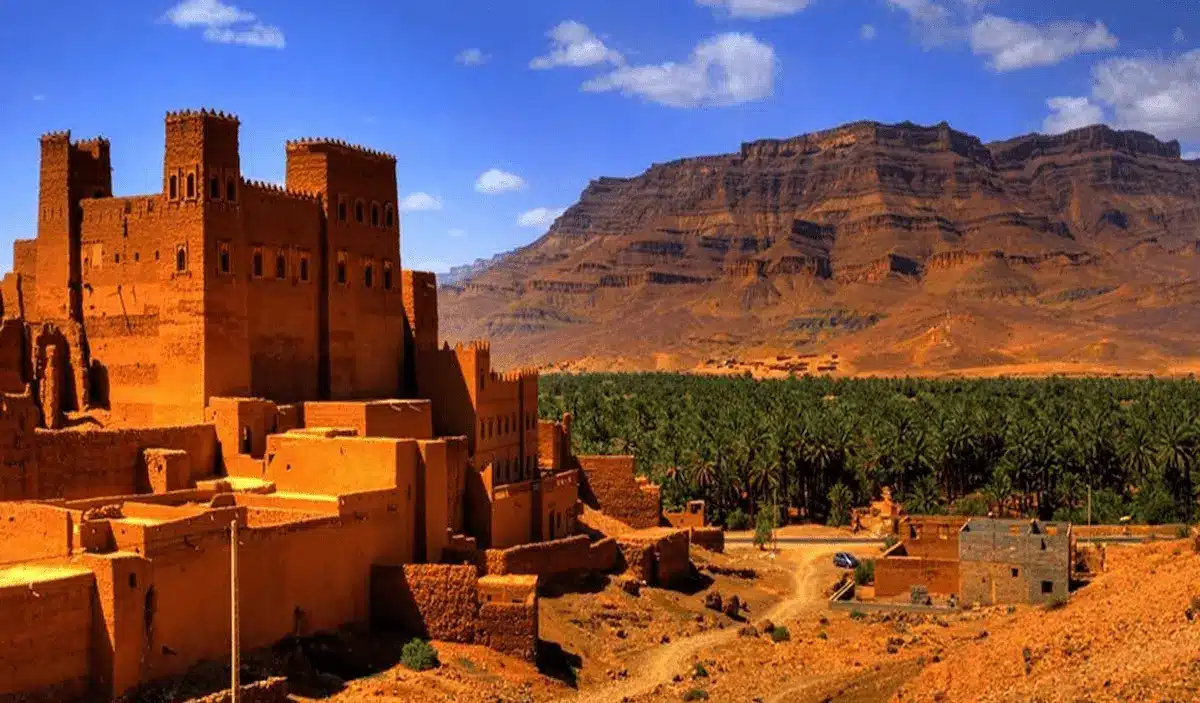
To discover the Kingdom through a trek in the Atlas or a Saharan adventure is, above all, to immerse oneself in Moroccan Berber culture and traditions. Present for millennia, the Amazigh identity shapes the rugged landscapes, the architecture of the kasbahs, and the legendary hospitality that every traveler experiences during a hike in contact with local populations.
In isolated valleys like Aït Bougmez, local populations perpetuate an authentic way of life, far from the urban hustle and bustle. This immersion in Moroccan Berber culture and traditions allows one to understand the perfect balance between humans and a sometimes hostile nature, where solidarity is a daily rule for survival.
Who are the Berbers of Morocco?
The Berbers of Morocco, or Amazighs (“free people”), are the original inhabitants of North Africa. Their heritage is deeply rooted in the High Atlas mountains and the vastness of the desert.
Amazigh Language and Identity
The Amazigh language is an essential component of Moroccan Berber culture and traditions. Official since 2011, it has its own alphabet, Tifinagh. This fascinating geometric script is visible on official signs, but also engraved on the silver jewelry worn by women of the Atlas.
Traditional Social Organization
Community life is based on the “Jmaâ,” a council of elders that makes important decisions for the village. This organization ensures mutual aid, whether for water management or housing construction, illustrating the collective strength of Berber traditions.
The Berber Villages of the High Atlas
During a trek in the High Atlas, hikers pass through mountain villages whose architecture seems to emerge directly from the rock, perfectly integrated into the mineral environment.
Pisé Architecture
The use of pisé (raw earth mixed with straw) is a pillar of Moroccan Berber culture and traditions. These constructions offer exceptional natural thermal insulation, keeping cool in summer and warm during the harsh Atlas winters.
Agricultural Terraces
The terraced gardens bear witness to millennia of expertise. Thanks to seguias (irrigation canals), the Berbers transform arid slopes into mountain oases where walnuts, apple trees, and cereals grow.
The Nomads of the Moroccan Desert
In the Moroccan desert, near Merzouga or the Drâa Valley, culture takes on a nomadic dimension. Here, freedom is measured by the immensity of the horizon.
Life in a Tent
The Khaïma, a traditional goat hair tent, is adapted to extreme conditions. It is the center of nomadic life, a convivial space where Moroccan Berber culture and traditions are expressed through sharing tea under the stars.
Livestock and Seasonal Movement
Transhumance guides the life of nomadic families. Their movements follow the cycles of water and pastures, ensuring the survival of camel and goat herds in an arid and wild environment.
Berber Women and Ancestral Traditions
True guardians of the temple, women play a central role in transmitting the identity and Moroccan Berber culture and traditions.
Henna Tattoos and Cultural Symbols
Henna tattooing is a strong ritual tradition. Beyond aesthetics, the geometric patterns on hands and feet symbolize protection, fertility, and baraka (blessing) during weddings.
Crafts and Traditional Clothing
The weaving of Berber carpets is a language without words. Each pattern tells the story of the weaver. The colorful clothes, adorned with intricate embroidery, reflect tribal belonging and the pride of a millennia-old heritage.
Social Role and Knowledge Transmission
Women teach younger generations the art of medicinal plants, the songs of the Ahidous, and the secrets of cooking, thus ensuring the continuity of Moroccan Berber culture and traditions.
Traditional Cuisine on a Trek
Gastronomy is an integral part of the travel experience. It is generous, natural, and flavored with local spices.
The Tagine
An emblematic dish slow-cooked in an earthenware pot, the Berber tagine uses garden vegetables and valley olive oil for an authentic and comforting taste after a day of walking.
Traditional Bread
The Tafarnout, baked on hot stones in a traditional oven, is the heart of the meal. Sharing it warm with a little argan oil is a special moment in Moroccan Berber culture and traditions.
Mint Tea
Served three times and from a height to create foam, tea is the ultimate symbol of hospitality. It is the ritual that seals friendship between the traveler and their hosts.
Why Integrate Berber Culture into Your Trip?
Choosing a trip with Trek Maroc Aventure means living an experience that goes beyond physical exertion. It is an immersion that allows you to:
- Understand a philosophy of life based on patience and respect for nature.
- Support the local economy and the preservation of crafts in remote villages.
- Experience authentic exchanges away from mass tourism.
Discover Our Cultural Treks in Morocco
Explore our itineraries designed for a genuine encounter with Moroccan Berber culture and traditions:
👉 Our Authentic Treks in the High Atlas
Discover our clients’ reviews and their unique experiences with Trek Maroc Aventure: hiking, trekking, desert tours, and Atlas adventures.